Updated Sept 15, 2026
At a glance
The best places to sell art online in 2026 are Saatchi Art and Artfinder for originals, Fine Art America, Redbubble and INPRNT for prints, and Etsy for handmade work. Beginners can start free on ArtPal, while Ko-fi and Gumroad are best for selling directly to your own fans.
Table of Contents
If you create art and want to sell it online, there have never been more online marketplaces to choose from. The challenge however, is finding the right one for your artwork, audience, and selling strategy.
A digital illustrator looking to earn passive income from prints, for example, has very different needs from a painter selling one-of-a-kind originals to collectors.
This guide compares leading marketplaces to help you find the right place to sell your creative products online in 2026.
Feel free to explore them below.
Featured image by Freepik
Quick Comparison
| Platform | Best for | Model | Free to start? |
| Saatchi Art | Originals, emerging artists | Marketplace | Yes |
| Artmajeur | Global reach on a budget | Marketplace | Yes |
| Singulart | Career artists, global collectors | Marketplace (curated) | Application |
| ArtPal | Beginners who want to keep everything | Marketplace + POD | Yes |
| Foundmyself | Testing the waters, zero risk | Marketplace | Yes |
| Fine Art America | Prints & photography, passive income | Print-on-demand | Yes |
| Redbubble | Beginners, prints on products | Print-on-demand | Yes |
| INPRNT | Illustrators, quality fine-art prints | Print-on-demand (curated) | Application |
| Displate | Bold, poster-style art | Metal print marketplace | Application |
| Etsy | Handmade, prints, home décor | Marketplace | Yes (small listing fee) |
| DeviantArt | Building a following + prints | Community + prints | Yes |
| Gumroad / Ko-fi | Selling direct to your own fans | Direct sales | Yes |
Best Marketplaces for Selling Original Art
The following marketplaces connect you with an established audience of art buyers, helping you reach potential customers without having to generate all the traffic yourself.
1. Saatchi Art
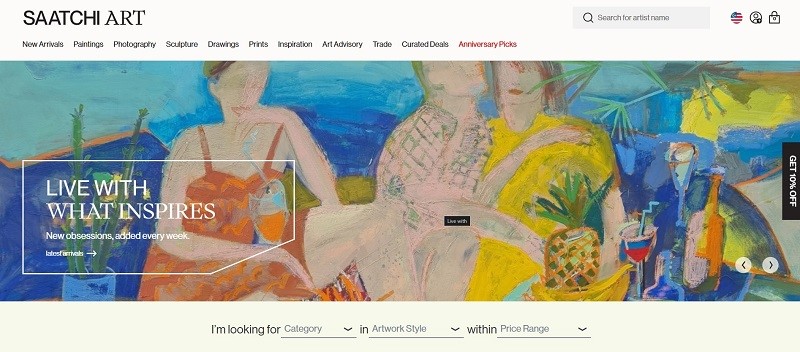
One of the most established and widely visited online marketplaces for original art, Saatchi Art is a strong starting point for emerging artists.
You set your own prices, while the platform manages marketing, payments, and shipping logistics, giving your work exposure to a global audience of art collectors.
Most suitable for: Painters, photographers and mixed-media artists selling originals and open-edition prints.
| Fees | 40% commission on originals (you keep 60%). Free to list, no monthly fee. |
| Advantages | The largest, most-visited online art gallery; strong built-in collector traffic; you set your own prices; handy tools like “View in Room” AR. |
| Disadvantages | 40% is a steep cut (raised from 35% in 2026), and buyer discount codes come out of your share. |
2. Artfinder
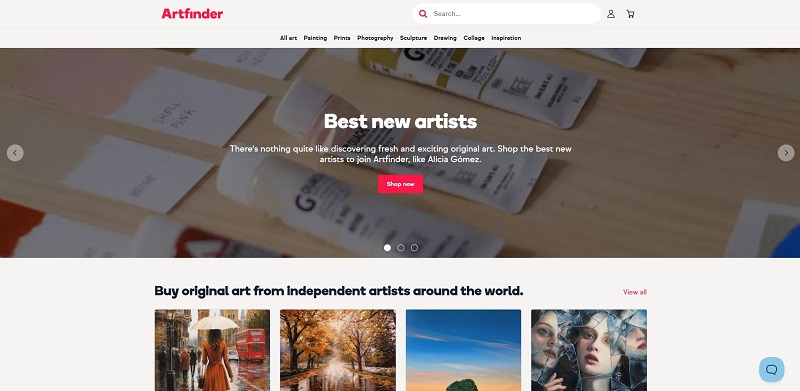
Artfinder is a curated marketplace dedicated to original artwork from independent artists, with a strong focus on ethical and sustainable practices.
Artists apply with their work, and once accepted, can create a storefront and showcase their art to a global audience of buyers who value original, independent pieces.
Most suitable for: Independent artists who want a discerning, original-art-loving audience.
| Fees | Free to list; 40–45% commission depending on plan; optional paid monthly plans lower the rate. |
| Advantages | Ethical, values-led brand that buyers actively seek out; free storefront once accepted; an annual bonus scheme for higher earners. |
| Disadvantages | Application required to join, and the commission is high unless you pay for a plan. |
3. Artmajeur
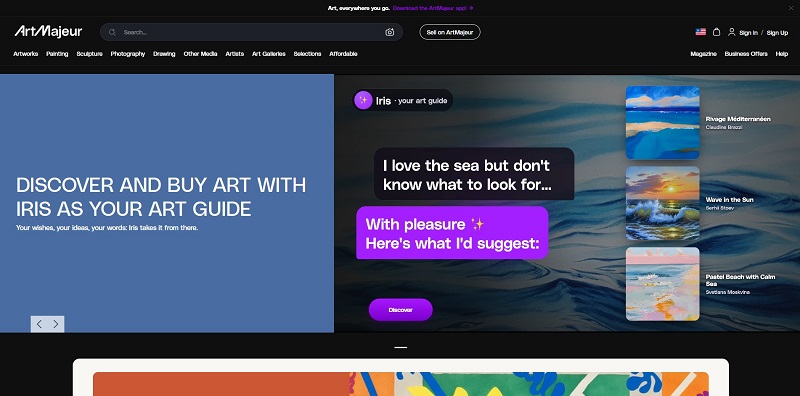
Artmajeur is a Paris-based online marketplace with two decades of experience connecting artists with buyers worldwide.
The platform supports a wide range of mediums, including painting, photography, and sculpture, making it an accessible option for artists looking to reach international customers without the strict curation or higher commissions associated with premium galleries.
Most suitable for: Artists who want global exposure while keeping commissions relatively low.
| Fees | Free plan takes around 35% commission; a low monthly Platinum plan ($7–$8) drops it to around 30%. |
| Advantages | Long track record; genuinely global buyer base; low barrier to entry. |
| Disadvantages | Less brand prestige than the curated galleries, so you’ll drive more of your own traffic. |
4. UGallery
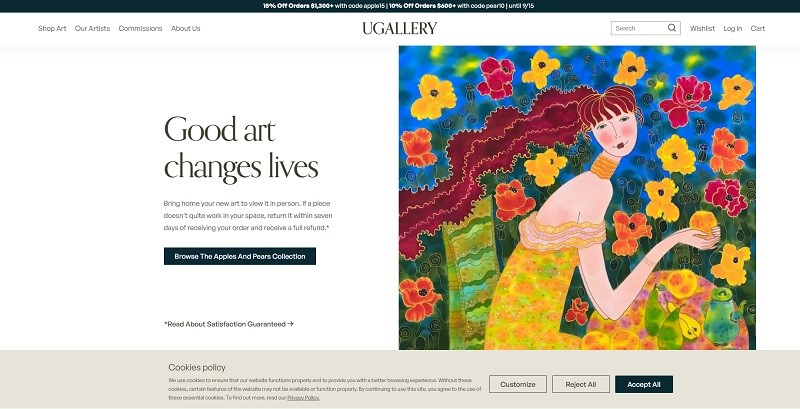
UGallery is a curated online gallery that has been connecting artists with buyers since 2006. Each artist is carefully reviewed before being accepted, while the platform handles shipping and logistics.
UGallery provides painters and printmakers access to collectors and interior designers, with opportunities to take on custom commissions after joining its artist roster.
Most suitable for: Established artists looking to reach collectors and interior designers.
| Fees | Application-based; gallery-style commission split; UGallery manages shipping. |
| Advantages | Curation raises quality and buyer trust; logistics handled for you. |
| Disadvantages | Not open to absolute beginners, and the commission split is significant. |
5. Singulart
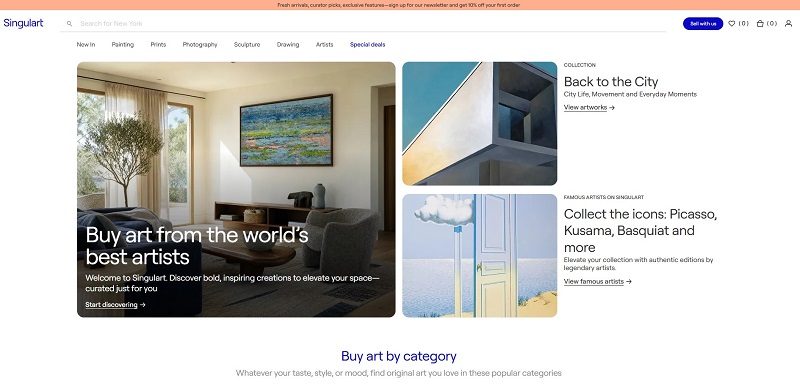
Singulart is a curated global art marketplace geared toward artists with an established exhibition history and professional track record.
The platform manages international shipping and promotes artists to serious collectors, helping position their work within the premium, gallery-style market.
Best for: Established artists looking to reach serious international collectors.
| Fees | Monthly subscription (around €30–€150) on top of commission. |
| Advantages | Serious global collector audience; strong curation and prestige. |
| Disadvantages | Application-only, and the subscription only pays off if you’re selling consistently. |
6. ArtPal
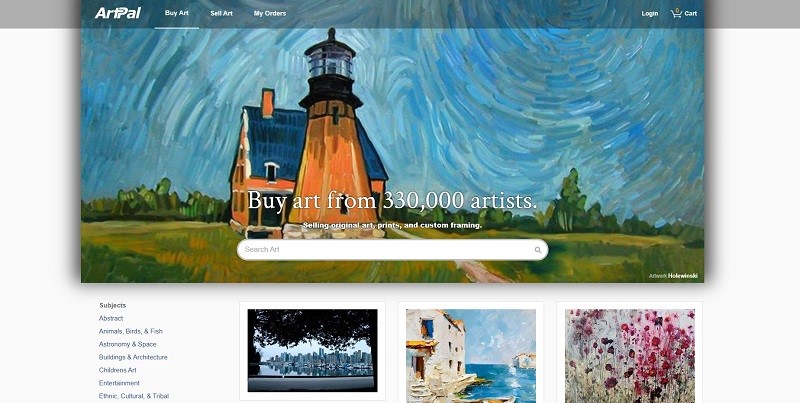
ArtPal is a free online marketplace that gives artists a simple way to showcase and sell their work without upfront fees.
Artists keep 100% of the profit from direct sales and can also offer print-on-demand products with ArtPal handling printing and shipping.
Most suitable for: Beginners who want to keep more of their earnings while building an audience.
| Fees | Free. 0% commission on your own direct sales (keep 100%); optional POD where they add print/ship costs. |
| Advantages | No membership fees, unlimited listings, a huge artist community, and useful marketing resources. |
| Disadvantages | Less prestigious than the curated galleries, so you’ll do more of your own promotion. |
7. Foundmyself
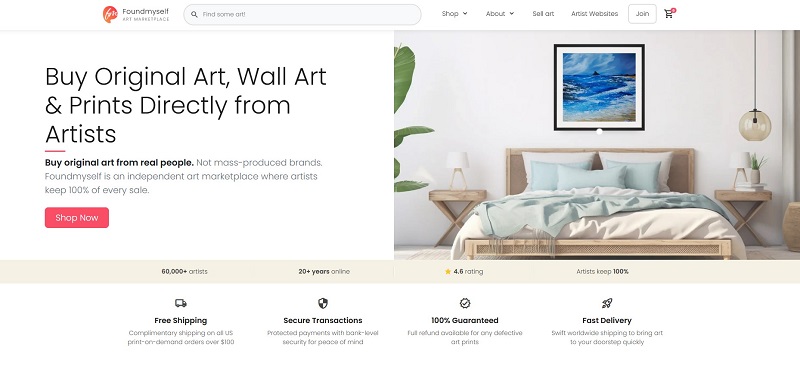
Foundmyself is a commission-free marketplace for original artwork, allowing artists to keep 100% of their sales.
With no listing or membership fees, the platform offers a low-risk way to showcase your work, gauge buyer interest, and build a track record of sales.
Most suitable for: Artists who want to test demand without upfront costs.
| Fees | Free; 0% commission on original sales. |
| Advantages | Zero risk and you keep all your earnings. |
| Disadvantages | Has smaller audience, so it’s better to use this platform alongside other art marketplaces rather than relying on it alone. |
8. Artsy
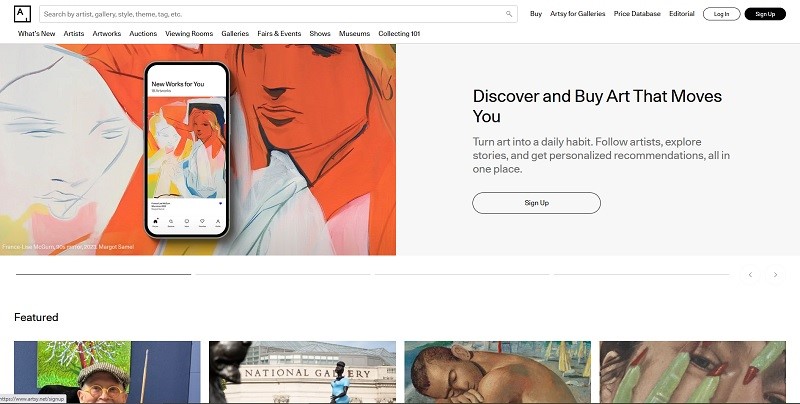
Artsy is a highly respected platform with a strong presence in the global art market, but it works differently from most online art marketplaces.
Artsy primarily showcases and sells artwork through partner galleries, art fairs, and auctions. This means artists typically access the platform through gallery representation.
Most suitable for: Artists who already work with galleries and want to expand their international reach.
| Fees | Works through partner galleries and auctions; terms are set at the gallery level, not by individual artists. |
| Advantages | High authority and a serious collector and auction audience. |
| Disadvantages | Not open to unrepresented individual artists. Not a starting point if you’re going it alone. |
Best Print-on-Demand Marketplaces for Artists
Print-on-demand (POD) lets you turn your artwork into a source of passive income. You upload your designs once, and the platform takes care of printing, packing, and shipping whenever a customer places an order.
You then earn a royalty or profit margin on each sale. It’s especially useful for digital artists, illustrators, and photographers who want to sell their work on products without managing inventory or fulfilment.
9. Fine Art America
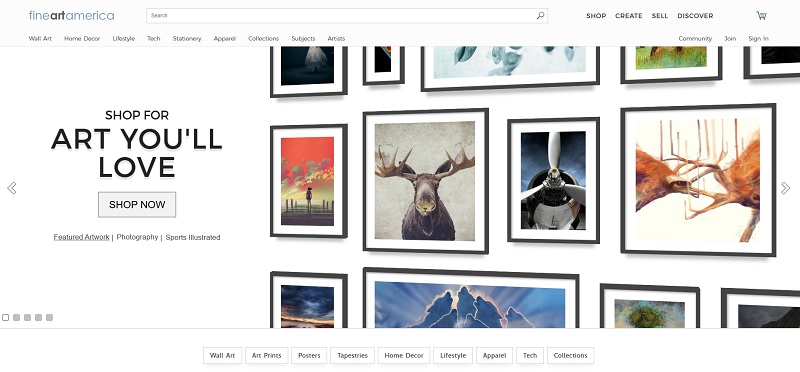
Fine Art America is one of the largest print-on-demand platforms for visual artists. It’s particularly popular for canvas prints, framed artwork, and photography, while also offering apparel, home décor, and accessories.
You set your own markup on top of the base price, giving you control over how much you earn from each sale.
Most suitable for: Traditional artists and photographers who want a wide product range.
| Fees | Free basic tier; you set your own markup above the base price and keep that markup. |
| Advantages | Huge product range; you control your margin; a large, established buyer base. |
| Disadvantages | Crowded marketplace — you’ll need external promotion to get discovered. |
10. Redbubble
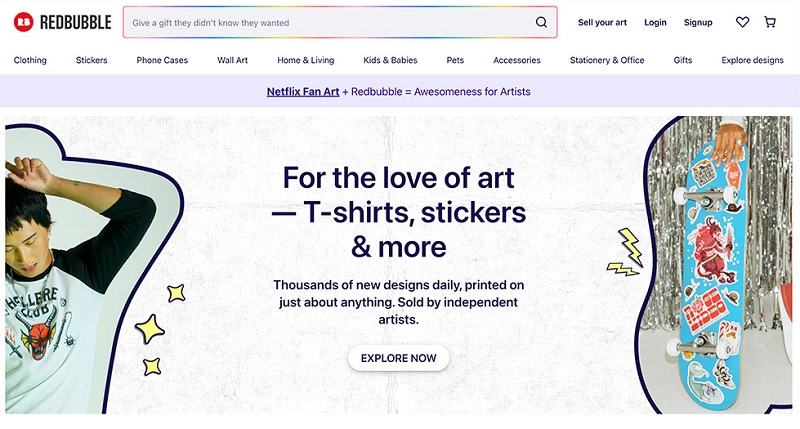
Redbubble is a popular, beginner-friendly print-on-demand marketplace where you can upload your artwork once and sell it across a wide range of products, including prints, clothing, stickers, and accessories.
The platform takes care of production, order fulfilment, and shipping, while you set your own markup on top of the base price.
Most suitable for: Beginners who want to earn passive income without managing inventory or fulfilment.
| Fees | Free; you set your own markup above base prices; fees can vary by seller tier. |
| Advantages | Huge global audience; fully hands-off production and shipping. |
| Disadvantages | Fierce competition makes discovery hard, and earnings dip during sitewide sales. |
11. INPRNT
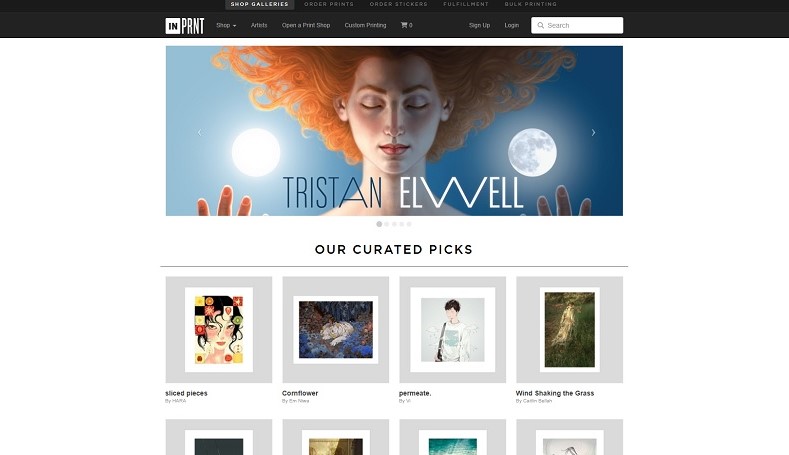
INPRNT is a curated, application-based print-on-demand platform known for its gallery-quality presentation and focus on fine-art prints.
Its selective approval process helps maintain a premium standard, while artists receive 50% of the retail price on sales. This makes it an attractive option for artists who want their work presented and sold at a higher-end level.
Most suitable for: Digital artists and illustrators looking to sell premium-quality prints.
| Fees | Application-based; artists earn 50% of the retail price after production costs. |
| Advantages | High payout for a POD marketplace, plus curation that keeps quality and prices up. |
| Disadvantages | Application-only, with a narrower product focus (fine-art prints). |
12. Displate
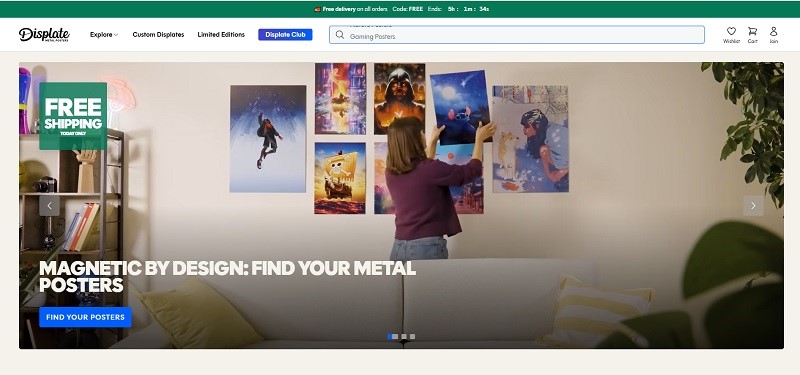
Displate is a specialist marketplace known for its metal poster prints and dedicated collector community. Its distinctive, magnet-mounted format works particularly well for bold, graphic, and statement-style artwork.
Once accepted, Displate takes care of printing, shipping, and customer support, so there’s little for you to manage.
Most suitable for: Artists creating bold, graphic, or statement-piece artwork.
| Fees | Curated platform with a fixed commission per print, with higher earning potential on limited editions. |
| Advantages | A distinctive niche with an established collector audience and fully managed fulfilment. |
| Disadvantages | Acceptance is curated, and artwork is limited to the metal-poster format. |
13. Society6
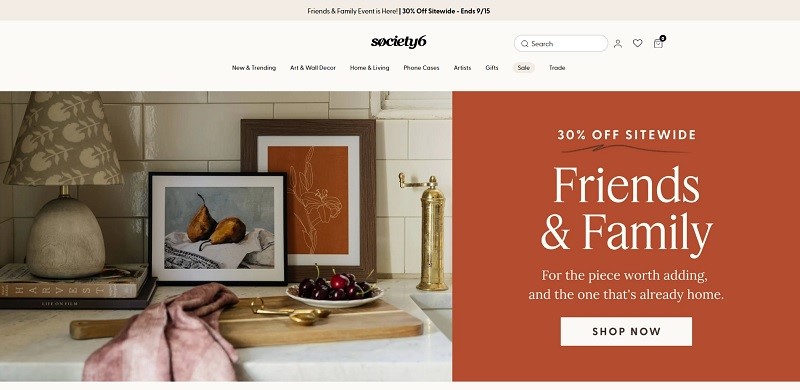
Society6 has long been a popular choice for artists whose work translates well to home décor, wall art, and lifestyle products.
It offers a polished storefront that presents artwork professionally, while handling production and shipping on the artist’s behalf.
However, changes to its artist program have made access more limited.
Most suitable for: Artists whose work is well suited to home décor and wall art.
| Fees | Royalties are around 10% on most products, with artists able to control their markup on prints. |
| Advantages | A professional-looking storefront, managed fulfillment, and no selling fees once accepted. |
| Disadvantages | Society6 moved to an invite-only, curated model in March 2025, and new artist applications are currently paused. Royalties are also relatively low on most products. |
14. TeePublic
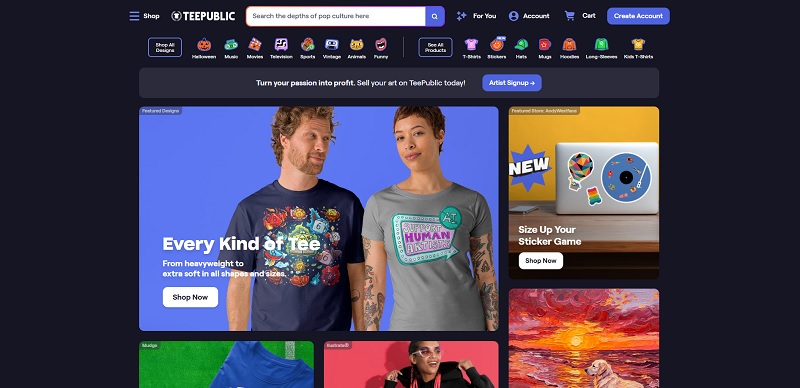
TeePublic is owned by Redbubble, but has its own marketplace and community.
The platform is particularly well suited to bold, graphic designs that work well on apparel.
Artists earn a fixed commission on each sale, while the platform regularly includes designs in sitewide promotions that can increase visibility and sales volume.
Most suitable for: Illustrators and designers creating bold, wearable artwork.
| Fees | Free; set commission per product sold. |
| Advantages | Its own storefront, plus automatic inclusion in promotions that boost visibility. |
| Disadvantages | Heavy reliance on sitewide sales cuts your per-item earnings. |
Best Community and Digital-First Marketplaces
15. DeviantArt
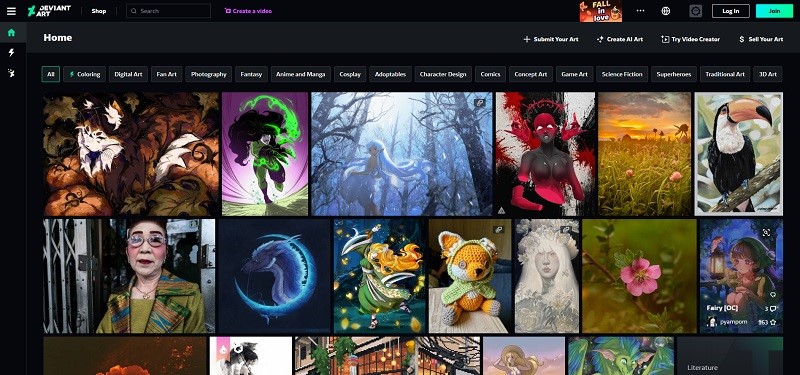
DeviantArt, now owned by Wix, is more than just a marketplace. It’s great for growing an audience, and helping artists establish a genuine following while earning through prints, digital downloads and subscriptions.
Most suitable for: Artists who want to build a loyal following while monetising their work through prints, digital downloads and subscriptions.
| Fees | Free to join; you earn margins on prints and merch, with optional Core subscription features. |
| Advantages | A huge, active community that can drive sales a pure marketplace can’t. |
| Disadvantages | Not a high-end collector channel; income skews toward prints and smaller sales. |
16. Etsy
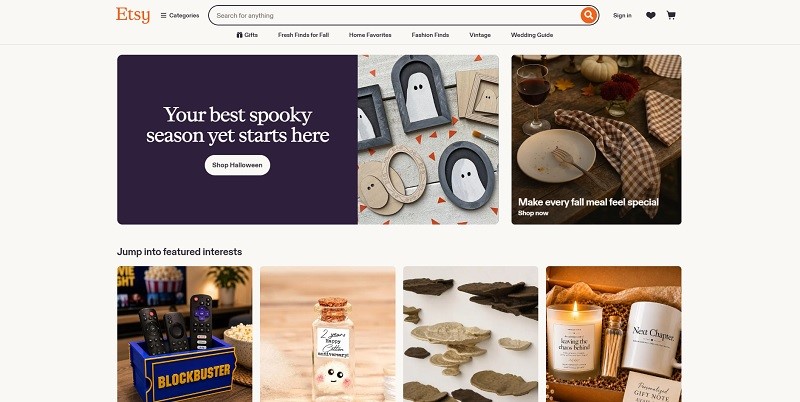
We can’t write this article in 2026 and leave Etsy out. It is one of the biggest marketplaces for handmade goods, art prints and home décor.
Etsy gives independent artists access to a huge, established audience of buyers actively looking for affordable, distinctive and characterful work.
Most suitable for: Art prints, handmade pieces and artwork with strong home-décor appeal.
| Fees | Around 10–15% in typical fees, including a $0.20 listing fee per item, a 6.5% transaction fee on the item price plus shipping, and payment processing fees of roughly 3% + $0.25. |
| Advantages | A huge, trusted buyer base, strong marketplace visibility and a straightforward checkout experience. |
| Disadvantages | Fees can add up, competition is intense, and listing fees apply whether or not an item sells. |
17. Gumroad
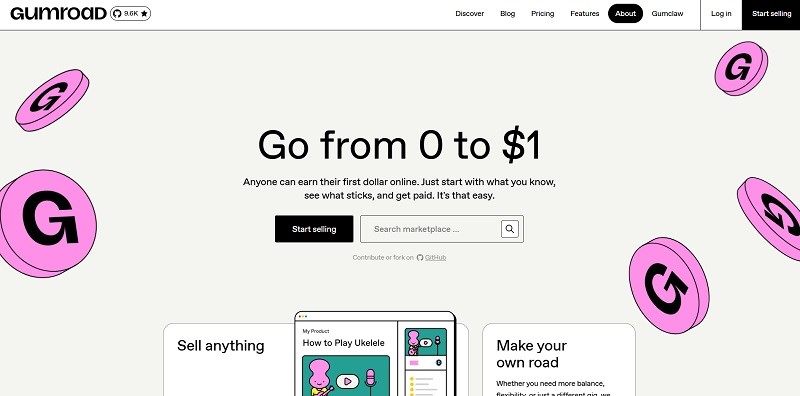
Gumroad is a simple platform for artists who want to sell directly to their own audience, whether that means digital downloads, print-ready files, tutorials or commissions.
The platform does not provide a built-in marketplace for discovery, so you’ll need to bring your own traffic. In return, you have greater control over the customer relationship and can sell a wide range of products with minimal setup.
Most suitable for: Artists with an existing following who want to keep control.
| Fees | A platform fee of around 10%, plus payment processing fees. |
| Advantages | Quick and easy to set up, flexible product options, and greater ownership of the customer relationship. |
| Disadvantages | No built-in audience or marketplace discovery, so you’re responsible for driving your own traffic. |
18. Ko-fi
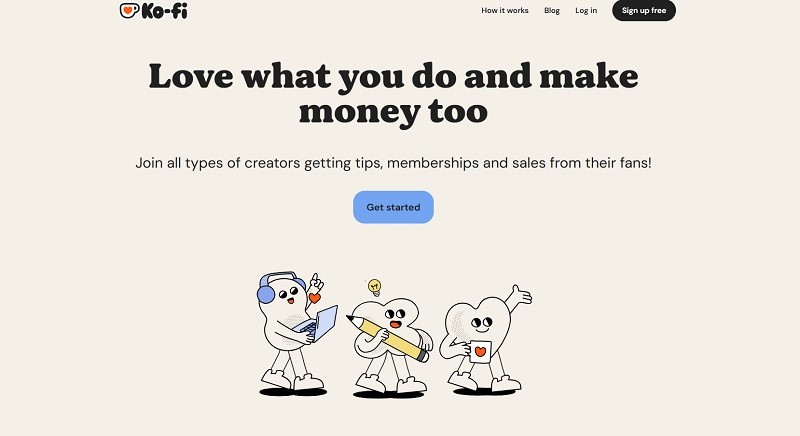
Designed primarily for direct support rather than marketplace discovery, Ko-fi gives artists several ways to earn from their audience.
Fans can leave tips, join memberships, commission work or purchase products through a simple online shop. With no platform fee on donations and tips, more of the money your audience gives can go directly to you.
Most suitable for: Turning an engaged audience into recurring income.
| Fees | 0% on donations and tips, with an optional Ko-fi Gold subscription and low fees on shop sales. |
| Advantages | More of your supporters’ contributions go directly to you, with options for tips, memberships, commissions and shop sales. |
| Disadvantages | There’s little built-in discovery, so success largely depends on having an audience you can bring to the platform. |
How to Start Selling Your Art Online
Choosing the right platform where to sell your art accounts for maybe 10% of the job. The other 90% comes down to how you present your work, price it, market it and build a sustainable way to reach buyers.
First off:
1. Digitise Your Artwork Properly
Whether you’re selling original artwork, prints or digital downloads, the quality of your work matters. Online shoppers can’t see your work in person, so ensure your photos or scanned images provide a clear and accurate impression of what they’re buying.
Whenever possible, photograph or scan your work at high resolution, use consistent lighting and make sure the colours are as accurate as possible. Avoid blurry images, harsh shadows and yellow or uneven lighting.
A professional-looking listing can make the difference between someone scrolling past and someone making a purchase.
2. Price Your Art with Platform Fees in Mind
Your listed price needs to account for more than just the value of your artwork. Before setting a price, consider platform commissions, transaction fees, payment processing costs, shipping and any discounts you may offer.
For example, if a platform takes a 40% commission, pricing your work at $100 doesn’t mean you’ll earn $100. Work backwards from the amount you actually need to make and set your retail price accordingly.
3. Don’t Rely on a Single Platform
Relying entirely on one marketplace can leave your business vulnerable if its fees, policies, algorithms or terms change.
A more sustainable approach is to use two or three marketplaces that complement each other. For example, you might use a large marketplace to reach new customers while also maintaining your own store, where you have more control over your margins and customer relationships.
Diversifying your sales channels this way can help protect your income when a platform changes its business model or policies.
4. Take Responsibility for Your Traffic
This is probably the least exciting part of selling art online, but it’s one of the most important: uploading your work is not marketing.
Most art marketplaces are highly competitive, and simply listing your work doesn’t guarantee that buyers will find it. Algorithms can help, but you shouldn’t build your entire business around the hope that one of your listings will suddenly take off.
Instead, consistently put your work in front of the people most likely to buy it. Social media, email marketing, content, collaborations, search traffic and an engaged community can all help drive potential customers to your listings.
Use marketplaces for their reach, build an audience you can reach directly, and gradually create a sales system that doesn’t depend on any single platform. That’s what turns selling art online from simply uploading your work into a sustainable creative business.
Further reading: 12+ Powerful Daily Affirmations for Creatives
Conclusion
Artists who turn online marketplaces into reliable income tend to share the same discipline. They consistently promote their work where collectors, clients, and buyers are already paying attention. They do this professionally and sustainably.
If you ever need help giving your marketplace listings the visibility they need to perform, YDJ™ Showcase Pro is ideal for you.
We provide artists with a fully optimised LinkedIn marketing plan that consistently:
- Promotes your work
- Drives targeted traffic to the marketplaces where you sell, and
- Build an engaged audience of potential buyers for you.
Frequently asked questions
Where can I sell art online for free with no commission?
ArtPal, Foundmyself, and Ko-fi are among the strongest options, although their fee structures differ. ArtPal charges 0% commission on direct sales, Foundmyself takes no commission on original artwork, and Ko-fi allows creators to receive tips with no platform fee. Fine Art America and Redbubble are also free to join, but they retain a portion of print-sale revenue.
The key trade-off is visibility. Platforms with the lowest fees typically provide the least promotional support, so “free” rarely means entirely cost-free—it often means you are responsible for generating your own traffic, building an audience, and converting visitors into buyers.
Should I sell on a marketplace or build my own store?
Ideally, both. Marketplaces such as Saatchi Art, Etsy, and Fine Art America can expand your reach by putting your work in front of established audiences. For many artists building a sustainable business, the most effective approach is to use marketplaces for discovery while directing repeat buyers to an owned storefront.

Written by