
At a glance
Defining your ideal client involves building a clear profile of the people you most want to work with, their industry, budget, values, and goals. For freelance creatives, this clarity helps you attract better-paying and more respectful clients. It also allows you to focus your marketing efforts on the right opportunities, and filter out bad-fit projects early before they cost you valuable time, income, and creative energy.
If you say yes to almost all kinds of creative project, you’re not alone. This is how most freelance creatives in their early careers begin. But accepting whatever comes through the door, and not having a better clarity about the project brief can quickly leave you overworked, underpaid and creatively drained.
The answer isn’t to work longer hours or market yourself more aggressively. It’s to get clear about who you want to serve.
This guide will show you how to define your ideal client and use that insight to sharpen your marketing, how to screen for clients in the age of AI, and most importantly, find the right people you want to work with.
By the end, you’ll have an easily implementable framework you can start using this week. Read on to learn more.
Featured image by Christina @ wocintechchat.com on Unsplash
Table of Contents
Why Every Freelance Creative Needs a Clear Ideal Client Profile?
An ideal client profile (ICP) is a simple, realistic description of the type of client you do your best work with. They value your expertise, respect your creative process, pay fairly and on time, communicate clearly, and are likely to work with you again.
Defining your ideal client is about being more intentional with the type of clients you prefer to work with, where you want to spend your productive time, energy, and marketing effort.
Without a clear ideal client profile, you may end up dealing with inconsistent income, clients who focus heavily on price, or projects that don’t align with your values and strengths. Over time, this can lead to frustration and burnout.
How to Define Your Ideal Client Profile
1. Start with your past clients
Recall past projects and clients you’ve worked with.
Then, make two lists: The clients you genuinely enjoyed working with and the ones that felt difficult or draining. Look for the following patterns:
- What industries were they in?
- What type of projects did they hire you for?
- What was their typical budget?
- How did they communicate?
- Did they trust your expertise?
Your most successful past clients can provide valuable insights into the types of clients you should target next.
2. Define the practical details
Get specific about who your ideal client should be. Think about their industry, business size, location, role, and typical project budget.
The more specific you can be, the easier it becomes to identify and reach the right prospects.
For example:
“A Series A startup founder looking for a brand identity to support their next stage of growth.”
is much more useful than:
“Anyone who needs design.”
You don’t need to predict every detail perfectly. The goal is to create a clear enough picture that you can recognise a good-fit client when they appear.
3. Look beyond demographics
The right client isn’t defined by their industry or budget alone. Values, expectations, and behaviour matter too.
Ask yourself what makes a client enjoyable and productive to work with.
Do they:
- Provide clear briefs?
- Respect deadlines and boundaries?
- Trust your professional judgement?
- Give constructive feedback?
- Understand the value of creative work?
- Treat design or creative services as an investment rather than simply a cost?
These characteristics can have a bigger impact on your freelance experience than the client’s industry alone.
4. Identify the problem you solve
Your ideal client should have a specific problem that your creative skills can help solve.
Try summarising it in one sentence:
“I help [ type of client ] solve [ specific problem ] so they can [ desired outcome ].”
This gives you a clearer foundation for your positioning, portfolio, website copy, content marketing, and sales conversations.
5. Find out where they spend their time online
Once you know who your ideal client is, think about where you can reach them.
Ask yourself:
- Which social media platforms do they use?
- Which online communities do they participate in?
- What industry newsletters do they read?
- What events or conferences do they attend?
- Which professional networks they belong to?
This information becomes your marketing map. Instead of trying to be everywhere, you can focus your networking and content efforts on the places where your ideal clients are already paying attention.
Keep Your Ideal Client Profile Simple
Your ICP doesn’t need to be a complicated marketing document. One page is enough.
Create a practical reference you can actually use when making decisions about your freelance business.
When a new enquiry comes in, ask:
“Does this client, project, and opportunity match the kind of work I want more of?”
The clearer your answer becomes, the easier it is to build a freelance creative business around the clients, projects, and working relationships that suit you best.
Turn Your Ideal Client Profile into Sharper Marketing
Once you know who you want to work with, freelance marketing becomes much easier. Instead of trying to appeal to everyone, you can speak directly to the people most likely to value your work.
Use your ideal client profile to refine the following four areas:
Messaging: Use the language your ideal client uses and focus on the outcome they want. A product manager wants more than “beautiful UI”. They want a product people actually use.
Portfolio: Showcase the type of work you want more of. If you want more branding projects, put your strongest brand identity work front and centre.
Marketing channels: Focus on the platforms, communities, and networks where your ideal clients already spend time.
Content: Create content around the problems your ideal clients are trying to solve. The right people will recognise that you understand their needs.
When your marketing speaks to a specific audience, it becomes more relevant and your enquiries become more targeted.
How to Screen for Clients Who Value Human Creativity
In the age of AI, there’s another factor worth adding to your ideal client profile. Which is how they view AI.
Generative AI has changed how clients think about creative work. Some see AI as a way to reduce creative costs or replace parts of the creative process. Others recognise the value of human creativity, originality, strategic thinking, and a distinctive point of view.
For freelance creatives, understanding this difference can help you identify better-fit clients.
Positive signals include:
- They want something original and distinctive
- They care about their brand and creative direction
- They ask about your process and approach to problem-solving
- They see AI as a tool rather than a replacement for creative expertise.
How to Spot a Bad-Fit Client
A difficult client could cost you far more than money. They can drain your time, energy, and creative focus.
Before accepting a project, look for these signals to recognise the patterns early and to protect your time.
| Good-Fit Signals | Bad-Fit Signals |
| Gives a clear brief and realistic timeline | Leads with “What’s your cheapest rate?” |
| Asks about your process, not just your price | Is vague about the project but expects a fixed price |
| Has a defined budget and respects your rates | Expects unlimited revisions or endless “small tweaks” |
| Communicates clearly and professionally | Has unrealistic or constantly changing deadlines |
| Sees your creative work as an investment | Dismisses your expertise or compares you to free AI tools |
Where to Find Your Ideal Freelance Clients
Defining your ideal client is only half the process. You also need to show up where they’re looking.
Behance and Dribbble are best for building your portfolio and being discovered by clients.
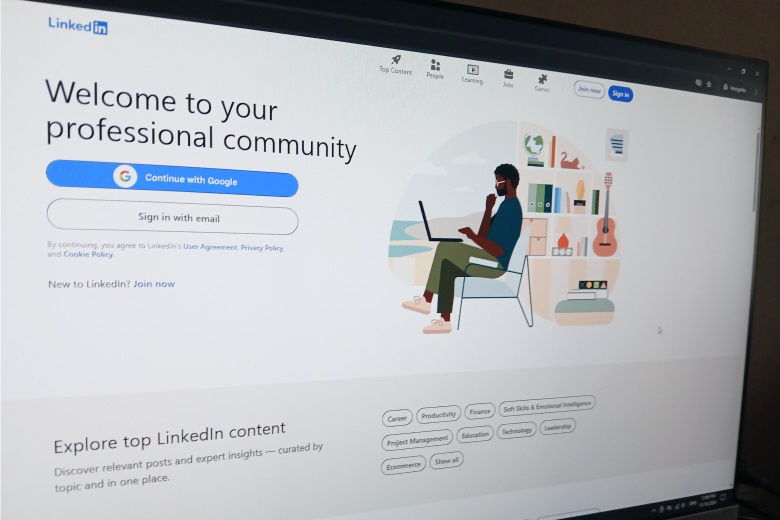
Another ideal place is LinkedIn. It’s where founders, creative directors, product managers and recruiters look for talent, as they decide who to hire.
When combined and used together, your portfolio on Behance and Dribbble showcases the depth and quality of your work, while LinkedIn puts it in front of decision-makers and gets you on their hiring radar.
Show up and stay consistent on the platform by:
- Creating and posting creative content your ideal clients want to see
- Using the right language that appeals to them, not just other designers
- Turning your visibility into genuine enquiries
Conclusion
Defining your ideal client is the single highest-leverage move you can make. It helps turn your freelance business and career into a focused one where your marketing speaks to the right people and fills you with better-fit enquiries, helping you save time, protect your energy, and lets you earn what your work is truly worth.
Start today by writing your one-page ideal client profile, run your next three enquiries through the red-flag checklist, and commit to showing up consistently where your ideal clients actually are. Be specific about who you serve, and the right clients will finally be able to find you.
And when you’re ready to make that visibility effortless, YDJ™ Showcase Pro handles the marketing for you. Each month, artists, designers, and illustrators receive a fully optimised and done-for-you LinkedIn Marketing Pack that helps them define a clear ideal-client profile, turns it into a 30-day content calendar, and delivers ready-to-publish posts and ad copy.
We help you show up in front of them, so you can focus what you do best.
Frequently Asked Questions
How do I define my ideal client if I’m just starting out?
Look to your past projects for useful patterns. Consider the types of projects, industries, and working styles you enjoyed in your past roles, during your studies, or through personal work. Use these insights to create an initial ideal-client profile, then refine it as you gain experience with real clients.
Where do freelance creatives find high-value clients?
LinkedIn is a strong starting point because hiring managers, founders, agencies, and buyers use it to discover talent and make hiring decisions. Referrals from previous clients can also lead to well-matched, higher-budget projects. Other useful channels include niche communities, industry Slack groups, Discord servers, and professional forums.

Written by